
Few cultural artifacts embody the spirit of European agrarian history and rural ingenuity as profoundly as Dutch Clogs (klompen). Far beyond their status as iconic souvenirs admired by international travelers in the…
Category: Fashion & Accessories
Fashion & Accessories Merging European Heritage, Sustainable Craft, and Functional Utility
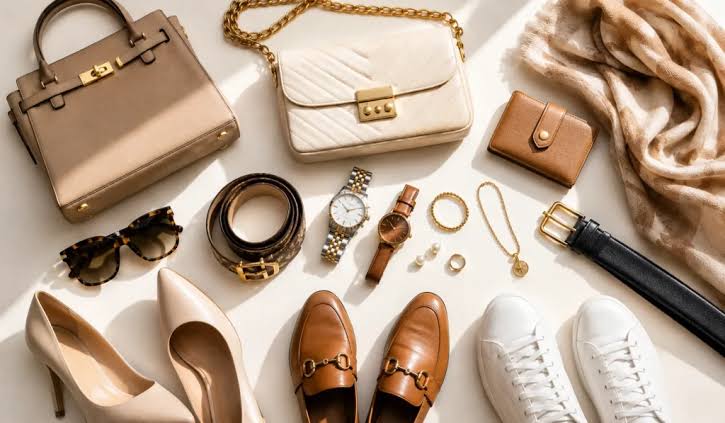
The global landscape of Fashion & Accessories is undergoing a profound structural shift. Today’s conscious consumers no longer evaluate garments and accoutrements merely by aesthetic appeal or seasonal fleetingness. Modern style demands a harmonious synthesis of historical authenticity, environmental stewardship, functional durability, and refined elegance.
At HOUFERS ([suspicious link removed]), we view Fashion & Accessories not as isolated commodity products, but as an intersection of living history, European artisanal legacy, tactical utility for travel, and responsible animal stewardship. From the cobblestone streets of traditional leather-tanning towns in Western Europe to the rugged demands of countryside equestrian life, genuine luxury lies in materials built to endure and tell a story.
                   [ THE HOUFERS FASHION ECOSYSTEM ]
                                   |
    +------------------------------+------------------------------+
    |                                                             |
[ HERITAGE CRAFTSMANSHIP ]                         [ FUNCTIONAL UTILITY ]
    |                                                             |
• Vegetable-tanned leathers                        • All-weather travel garments
• European guild weaving standards                 • Equestrian & country functional wear
• Zero-waste ethical sourcing                      • Breathable natural fiber lining
1. The Historical Evolution of European Fashion & Accessories
To understand contemporary luxury, one must analyze the origins of European textile guilds and leatherworking traditions. For centuries, European regions established localized expertise based on geography, climate, and available livestock:
-
Tuscan Leather Tanneries (Italy): Renowned for vegetable-tanning techniques utilizing natural plant tannins (chestnut, oak, and mimosa bark), creating full-grain leathers that develop a rich patina over time rather than wearing out.
-
British Equestrian & Country Attire (UK): Designed specifically to withstand damp, unpredictable weather. Waxed cotton, heavy tweed, and reinforced saddlery leather set the global benchmark for outdoor functional fashion.
-
Continental Silk & Wool Looms (France & Flanders): Pioneered intricate weaving methods that laid the foundation for modern outerwear linings, scarves, and high-tailoring silhouettes.
At HOUFERS, this historical lineage informs our perspective on Fashion & Accessories. When you select a handcrafted leather tote, a hand-finished belt, or a structured travel trench coat, you are investing in centuries of refined European trade knowledge.
2. Material Matrix: Comparing Modern Accessory Materials
Understanding the raw components of your wardrobe is essential for long-term style investment. The table below outlines key structural materials used in high-grade Fashion & Accessories, contrasting their durability, care demands, and environmental footprint:
3. The Intersection of Animal Care, Equestrian Life, and High Fashion
A critical yet frequently overlooked pillar of true luxury in Fashion & Accessories is its symbiotic relationship with animal husbandry and equestrian care. Historically, the finest leather goods houses in Europe began as saddlery and harness makers. The rigorous structural demands of equestrian equipment—where strength, flexibility, and horse comfort are matters of safety—forged the standards for modern leathercraft.
                [ ANIMAL CARE & LEATHER INTEGRITY ]
                                  |
    +-----------------------------+-----------------------------+
    |                                                           |
[ RESPONSIBLE HUSBANDRY ]                         [ CRAFT TRANSFORMATION ]
    |                                                           |
• Ethical livestock farming                       • Raw hide byproduct utilization
• Natural grass-fed grazing                       • Traditional vegetable tanning process
• Strict animal welfare audits                    • Hand-stitched saddle strength finishing
Raw Material Sourcing from Ethical Husbandry
High-quality full-grain leather is inherently a byproduct of agricultural animal husbandry. When livestock is raised under humane, stress-free conditions with optimal nutrition and open grazing, the resulting hides exhibit minimal scarring and superior tensile strength. At HOUFERS, we champion the principle that ethical animal care directly correlates with the physical perfection of natural leather accessories.
The Equestrian Aesthetic in Modern Travel Apparel
Equestrian functional design continues to influence global menswear and womenswear trends:
-
Riding Boots: High-shaft leather boots designed for heel stability in stirrups translate seamlessly into durable, waterproof urban travel footwear.
-
Saddle Stitching (Point Cellier): A dual-needle hand-stitching technique that ensures if one thread breaks, the seam remains intact—a vital feature for both horse harnesses and luxury weekender bags.
-
Barbour-Style Field Coats: Multi-pocketed, weather-resistant jackets tailored for country pursuits and city exploration alike.
4. Curating a Functional Travel Wardrobe with HOUFERS
Traveling across Europe’s diverse climate zones—from sunny Mediterranean coastlines to misty Nordic highlands—requires a thoughtful, capsule-based approach to Fashion & Accessories. The key is selecting versatile, high-utility items that age gracefully under heavy use.
Essential Travel Accessories Checklist
-
The Full-Grain Leather Weekender Bag: Equipped with solid brass hardware and reinforced stress points to handle heavy loads without tearing.
-
The Convertible Silk-Wool Scarf: Offers thermal insulation during cold alpine excursions while remaining breathable in warmer city climates.
-
The Heritage Field Boot: Crafted with Goodyear-welted construction, allowing the sole to be replaced indefinitely after extensive walking tours.
-
The RFID-Protected Passport Holder: Combining traditional exterior bridle leather with modern technological security linings.
5. Maintenance & Preservation: E-E-A-T Care Guidelines
A fundamental component of sustainable fashion is extending the lifespan of your garments and gear through proper maintenance. Our expert team at HOUFERS recommends the following care routine for high-end natural materials:
                  [ ANNUAL LEATHER MAINTENANCE CYCLE ]
                                    |
       +----------------------------+----------------------------+
       |                                                         |
[ STEP 1: CLEANING ]                                     [ STEP 2: CONDITIONING ]
       |                                                         |
• Wipe with damp microfiber cloth                         • Apply natural beeswax or mink oil
• Remove surface dust & grime                             • Restore lost moisture every 3–6 months
• Air-dry away from direct heat                           • Buff with horsehair brush for luster
-
Storage Environment: Always store leather accessories in breathable cotton dust bags. Plastic bags trap moisture, encouraging mold growth on organic hides.
-
Conditioning Frequencies: Apply an all-natural leather balm twice a year to prevent drying and cracking, especially after exposure to rain during travel.
-
Textile Care: Brush wool coats with a natural-bristle garment brush after each wear to lift surface dust and restore the nap of the fabric without harsh dry cleaning.
Conclusion
The realm of Fashion & Accessories is far more than a cycle of changing seasonal aesthetics. It is a tangible reflection of European historical art, ethical material sourcing, functional travel utility, and respectful animal husbandry. By choosing timeless, meticulously constructed pieces over disposable alternatives, you cultivate a signature personal style that honors tradition while embracing modern sustainability.
Explore the curated worlds of style, travel, culture, and countryside living at HOUFERS by visiting our official platform at [suspicious link removed]. Elevate your everyday wardrobe with pieces designed to last a lifetime.